Philosophy
From Plato to Laozi and the scholars of Edo: philosophical texts presented and translated.
Phedre
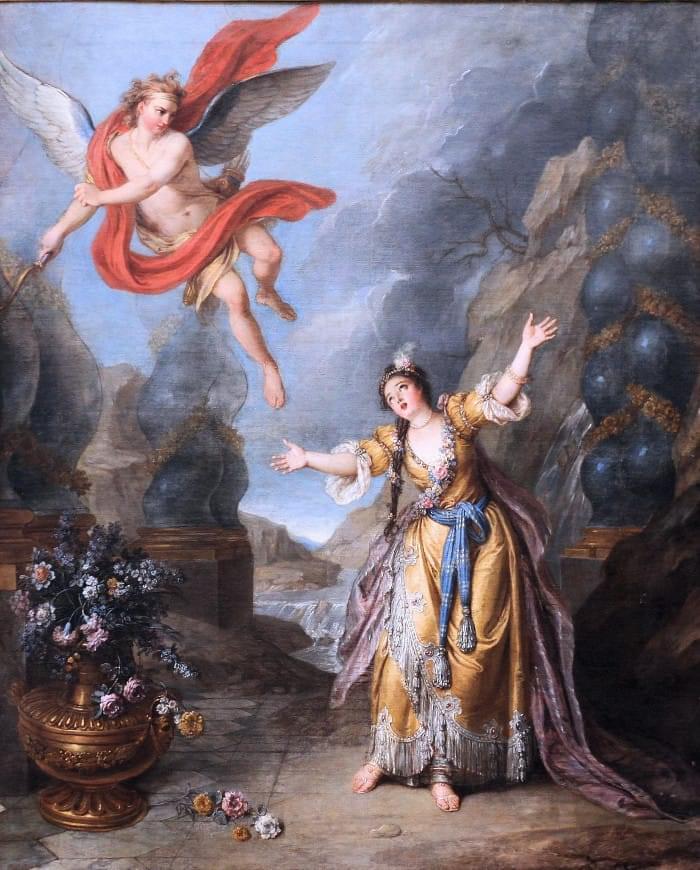
phedre In this part of the dialogue Phedre (246a-248c), Plato describes the nature of the soul as a power composed by a celestial winged chariot that leaves its home to participate in the heavenly march. Souls strive to reach the vault of heaven to contemplate from its back, truth, justice, science and wisdom. Many, wounded by the tumult, do not reach the summit. But once the revolution is over, each soul returns to its home to feed the horses with what it has been given to contemplate... before setting out again.
Love according to Diotima
Eros In Plato's “Banquet”, a few people gathered for a social gathering exchange views on the meaning of <ruby lang="fr">love<rp>(</rp><rt lang="grc">Érôs</rt><rp>)</rp></ruby>. It is there that Socrates declares that as a young man, the "philosophy of Love" was taught to him by Diotima, priestess and prophet. Socrates asks Diotima several questions about love.
first evening of the “Conversations on the Plurality of Worlds”
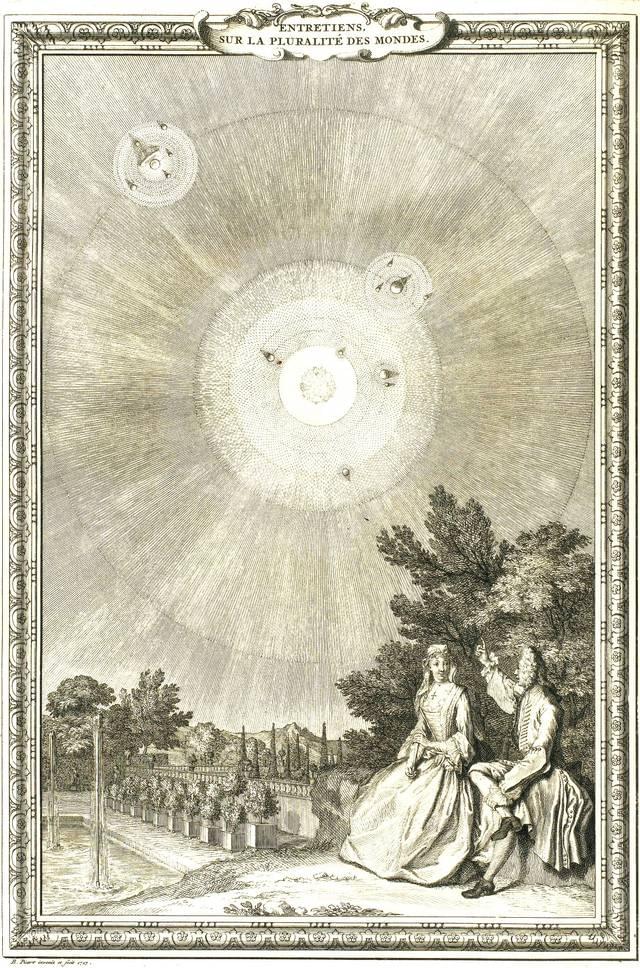
Fontenelle Published by Fontenelle when astronomy was in vogue after the comet of 1681, the “Conversations on the Plurality of Worlds” are an explanation of the world's different systems.
François VIDIT guide-interpreter of Paris
François VIDIT guide-interpreter of Paris To guide, it's to share! It's to confront different faces, experience the solemn character of encounter, to find oneself out of habits, and thereby feel in oneself a new humanity coming forward, intimately and mysteriously. From there, to be lucky to find oneself ceaselessly rid of a number of prejudices, ceaselessly more universal to the encounter of humanity and world.